The Polymer80 PFC9 for concealed carry: an honest look
The PFC9 is the Polymer80 pistol most people buy to carry, and it is the one that draws the most questions: is it reliable, does it hide, does it feel like a Glock, is it worth the saving. This is an honest look compiled from the manufacturer's published specifications and the experience owners report widely online and at ranges, not from a test we ran ourselves; we are an online store without a range. We are also not affiliated with Polymer80 or Glock. The PFC9 is a serialized handgun and ships to your licensed dealer.
What it is
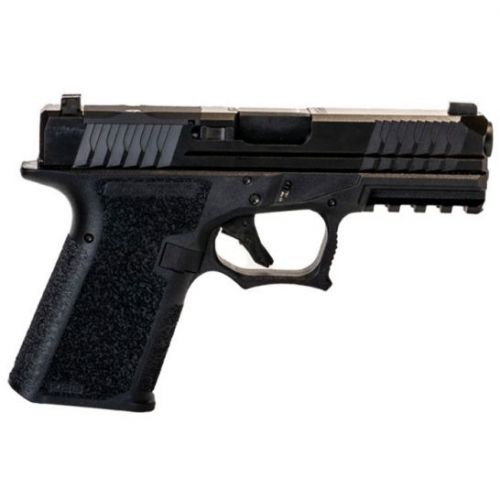
The PFC9 is a compact, striker-fired 9mm on the Glock 19 pattern: a barrel of about 4 inches, a 15-round magazine, a polymer frame with a rail and a steel slide with front and rear serrations. It uses Gen3 Glock-pattern internals and accepts Glock 19 and 17 magazines. Polymer80 gave it a flatter trigger face, an extended beavertail, a more upright grip angle than a Glock and a textured grip. Published weight is close to a Glock 19, a little under 24 ounces unloaded.
Size and concealment
The Glock 19 footprint is the most-carried pistol size in the country for a reason: it is the biggest gun most people can hide under a T-shirt and the smallest gun that still shoots like a full-size. The PFC9 sits in that same box. The grip is the part that prints, and it is a hair longer than a Glock 19's because of the beavertail, which a few owners notice on the draw. Appendix carry with a good wedge and a strong-side holster both work.
Grip and trigger
Owners repeatedly mention two things. First, the grip: the more upright angle points naturally for people who came from 1911s or M&Ps and feels unfamiliar for a week to lifelong Glock shooters. The texture is aggressive enough to grab a cover garment; some owners sand the sides slightly. Second, the trigger: the flat face and the beavertail let you get high on the gun, and the pull is generally reported as comparable to a factory Glock with a slightly different reset feel. It is not a match trigger and does not need to be.
Sights
Factory sights are basic. For carry, a bright front sight is the single most useful change; tritium if you want night visibility. The dovetail is Glock-standard, so options are wide and cheap. If you want a red dot you will need an optic-cut slide; the standard slide is not cut.
Reliability, as reported
The honest summary of owner reports is that most PFC9s run well with factory Glock magazines and brass-cased ammunition, and that the stoppages people do report cluster around three causes: cheap aftermarket magazines, very light practice loads during the first hundred rounds, and aftermarket triggers or striker springs installed before the gun was proven. A minority of owners report fit issues between frame and slide that needed a return to the maker. As with any pistol, the fix for uncertainty is 300 rounds of your carry load through your carry magazines before you carry it.
Holsters
Many Glock 19 holsters fit the PFC9, but not all: the trigger guard and rail differ enough that some kydex holsters do not click on. Buy a holster listed for the PFC9 by name, or from a maker that confirms fit. The frame's beavertail can rub on some holsters' sweat guards; a cut-down guard or an appendix holster with a claw solves it.
Magazines for carry
A 15-round magazine in the gun and a 17-round Glock 17-pattern magazine as the spare is the standard arrangement. Factory Glock and Magpul GL9 magazines get the best reports. Ten-round Glock 26 magazines fit for owners in capacity-limited states.
The compromises
- No factory optic cut on most examples; budget for a slide if you want a dot.
- Holster fit needs checking; it is not a drop-in Glock 19 clone.
- Warranty support has changed since the maker wound down; parts availability is good because of the Glock-pattern aftermarket, but factory service is not what it was.
- The pistol is not on the California or Massachusetts rosters.
Recoil and shooting
A compact 9mm of this weight is easy to shoot. Owners describe recoil as soft for the size, with the beavertail letting the hand sit high enough to keep the muzzle flat. The flat trigger rewards a straight press. Accuracy reports at 7 to 15 yards are what you would expect from a service pistol: groups that stay inside a hand at defensive distances with any decent ammunition, and better with the loads the barrel prefers. The stock sights are the limiting factor at 25 yards, which is another argument for the front-sight upgrade.
Maintenance
Field stripping follows the Glock pattern exactly: magazine out, chamber checked, trigger pressed, slide pulled back a fraction, takedown tabs pulled down, slide off. Four or five drops of oil on the rails, barrel hood and connector are enough. The striker channel stays dry. A carry pistol picks up lint and sweat, so wipe it weekly and clean it after every range trip.
Who it suits
The PFC9 makes the most sense for a buyer who wants a Glock 19-size carry gun with a flatter trigger and a different grip angle at a lower price, and who is willing to put a few hundred rounds through it to prove it. It suits less well someone who wants factory support for years or a pistol on the restricted-state rosters. For a range-first buyer the PFC9 vs Glock 19 comparison lays out the price-for-features trade.
Setting one up for carry
Bright front sight, a holster that fits, two spare magazines, a stiff belt, 300 rounds of the carry load. Then leave it alone. Our budget upgrades guide covers what to change and what to leave for later, and the state rules guide explains the transfer, ages and waiting periods where you live. Search the catalog for PFC9 to see current stock and price.
General information, not legal advice. Current as of September 2026. Laws change; check the official source before you act.